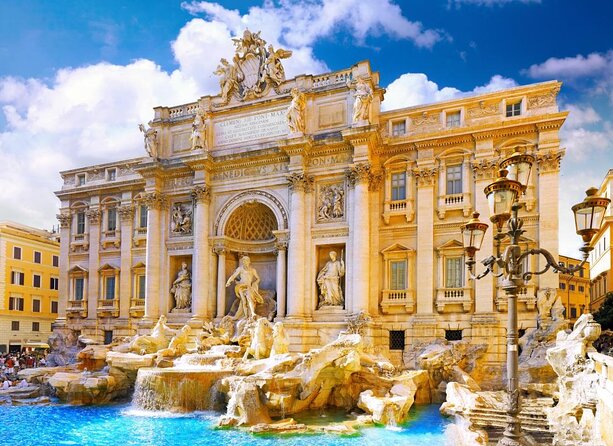
Water has managed to inspire and awe people for thousands of years. Fountains manage to take this water and turn it into an active spectacle. The Baroque era saw an increase of fountains in Rome, specifically ones commissioned by the Pope. Whether symbols of the Catholic church, war victories, or ways to get water to the people, fountains have had an important role for a long time. This exhibit will take you through a chronological journey of 10 fountains and their foundations in the city of Rome. This exhibit will discuss how fountains alter cityscapes, specifically that of Rome. From the grandiose power of the papacy to the access to water, fountains have had a vast role in Roman history. Fountains take the cityscape and the traditional piazza and transform them with great displays of power. They encourage people to gather in the piazza, and thus created common spaces where people were urged to come together. Fountains interact with one another and take inspiration from pre-existing fountains. Whether that be the revival of the wall fountain leading to the inspiration of the Fontana di Trevi or the interactions amongst the three fountains in the Piazza Navona, fountains never stand alone in the grand scheme of the city. Additionally, fountains reveal a lot about the patron. As an art form that takes place in the public sector, fountains are accessible by the everyday citizen and are not hidden away in private galleries. Thus the patrons were typically those with the most power, the Pope. As the Pope commissioned these grand displays of power, many times there were references to Christianity and their own individual familial histories and backgrounds. When fountains were commissioned by private patrons they were typically smaller scale and had vastly different purposes behind their commission. As an art form, fountains are unique, holding a public power quite unlike any other. They create public spaces for people to gather, they deliver water to the people, and they express the power of the patron. This exhibit will discuss these factors with the 10 fountains on an individual basis alongside a general background on each of them. Use the tabs on the rightside of the screen to navigate through the exhibition.
For a look at the spatial distribution of the fountains check out the link below:
https://earth.google.com/earth/d/1SFRzAQEWe1pazcej9Gbi-Pax_IeyTa2a?usp=sharing