Browse Items (149 total)
Sort by:
The Archangel Michael Defeating Satan
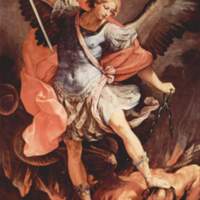
“The Archangel Michael” is one of Guido’s most famous works painted in his second manner when he was strongly under Raphael’s influence. The single devotional figures of the Archangel Michael usually depict him as combining the characters of captain…
Medusa
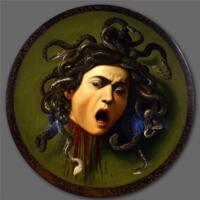
Caravaggio' s depiction of Medusa. This work was painted on a sixteenth-century tournament and was commissioned by Cardinal del Monte. Caravaggio chose to depict Medusa in a terrifying manner with a horrified expression. Caravaggio depicts her at the…
Primavera
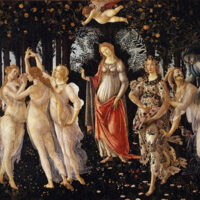
Botticelli's "Primavera" painting depicts nine mythological figures most notably the nymph Chloris who is portrayed before and after her transformation into the spring goddess Flora.
The Rape of Proserpina
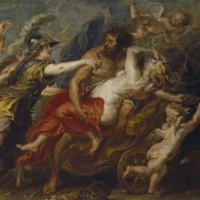
Ruben's rendition of the "Rape of Proserpina" mythological tale. The work shows Pluto grasping Persephone vigorously. However, there are additional figures in this image. Minerva, the goddess of war, Venus, and Diana, the goddess of the hunt are…
Dome of St Peter's Basilica
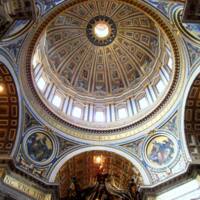
After Rome was sacked in 846, the old St Peter’s was continuously refurbished and repaired. Pope Nicholas V (1447-1455) began the first new construction. Nicholas V worked with architect Alberti, who wanted to remake the city with St. Peter’s as its…
Flaminian Obelisk
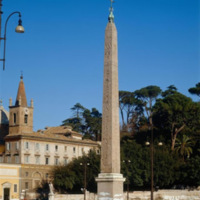
The Flaminian Obelisk was originally established by pharaoh Seti I at Heliopolis, around 1300 BC, standing almost 24 meters high and weighing 235 tons. His son Ramses II finished the monument by adding hieroglyphs. Augustus re-erected it in Campus…
Lateran Obelisk
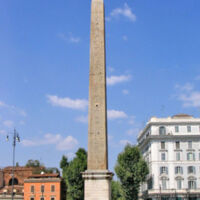
The Lateran obelisk is the tallest obelisk in the world, standing at 32 meters and weighing 522 tons [1]. It is made of red granite, potentially from the same quarry that was used for the obelisk in St. Peter's Square [2]. It was the only single…
Apollo and Daphne
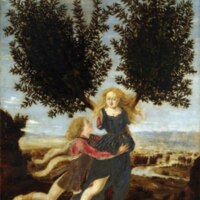
Antonio del Pollaiuolo's Early Rennaisance depiction of the Apollo and Daphne myth.