Gallery
Introduction
In Italian, the word for painter (like many other professions) is distinctly gendered. The male painter or il pittore is seperated from that of the female painter, la pittrice. While the words refer to the same career, the linguistic differentation alludes to a deeper partitioning within the art field. Indeed, since the Baroque times, the female artist is not offered the same respect and pay compared to her male counterparts. In order to combat such inequality, it is essential to bring light to those who have found avenues of success against the odds of gendered subjection.
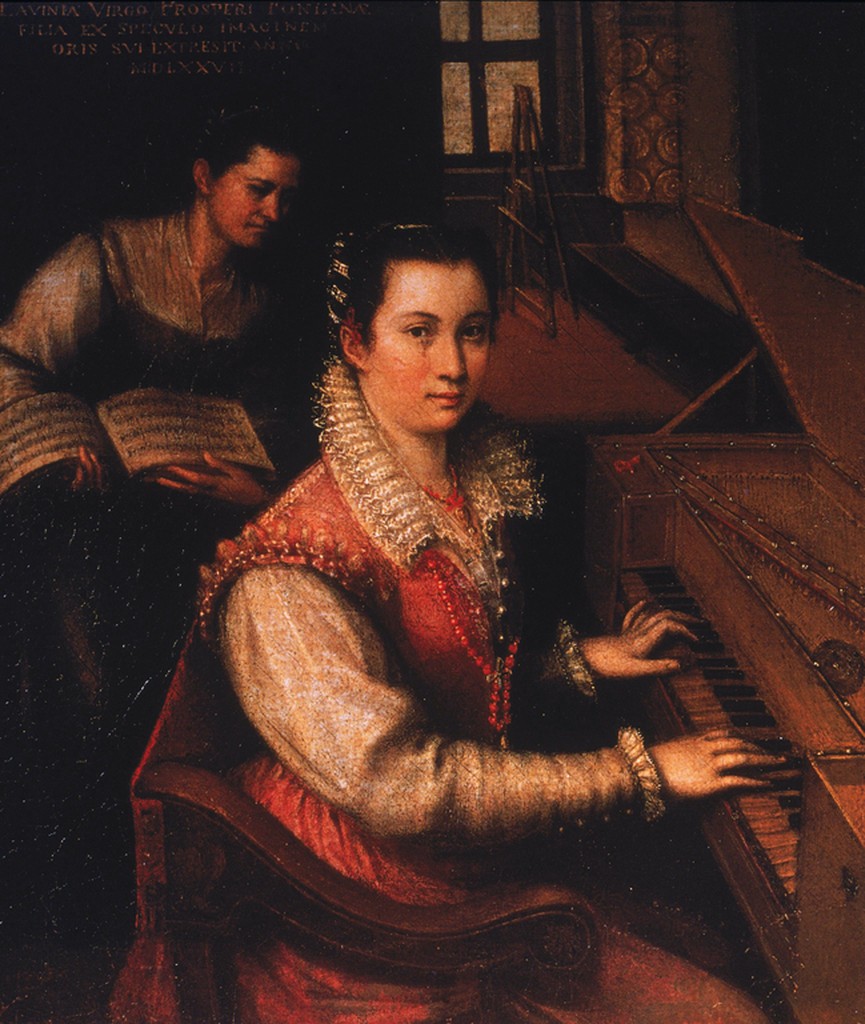
Lavinia Fontana exemplfies this ideal, standing as a trailblazer for women in the arts.
Lavinia Fontana was a Bolognese artist who specialized in portraiture. Unlike many of her contemporaries, she started from humble beginnings and not from nobility. Indeed, her father, Prospero, was an aspiring artist in Bologna while her mother came from a long line of typographers. Nonetheless, from a young age, Fontana was introduced to the arts and painting. Her father served as her initial teacher - hoping that Lavinia could help with the financial burden set on the family.
Early in her career, Fontana worked on smaller projects that entered into her father’s workshop. Here she began refining her craft and emulated many of her father’s techniques. Whereas her male counterparts received formal training in art schools or apprenticeships, Fontana was initially rejected entrance to the Carracci family academy of painting. She relied solely on these smaller commission projects passed on by her father to refine her artistic ability in real-time. Later in her career, after initially establishing her reputation, she went on to earn a degree from the University of Bologna - uncommon for women at the time.
And yet, Fontana found success in the arts. As she began to work independently in the Bolognese urban market, she supported her parents, husband, and eleven children. Fontana truly stands as a pioneer for women in the arts. Her unwavering resolve as she competed directly against other male artists at the time for a commission-based salary highlights her resolve. It is only fitting that Lavinia became idolized by the female nobility of Bologna and relied on their demand for her works just as they coveted her portraits.
Moreover, many of her works depicted nude female subjects. This was extremely taboo at the time for female artists were prohibited from using live nude models. However, in a sense, Lavinia pioneered a movement of reclaiming rights to the female form through her nude art.
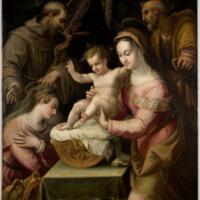
The following pieces illuminate Fontana's succesful art career. Through the comparisions with her contemporaries, Fontana's unique ability to compete within the urban financial markets and provide for herself and her family is emphasized.