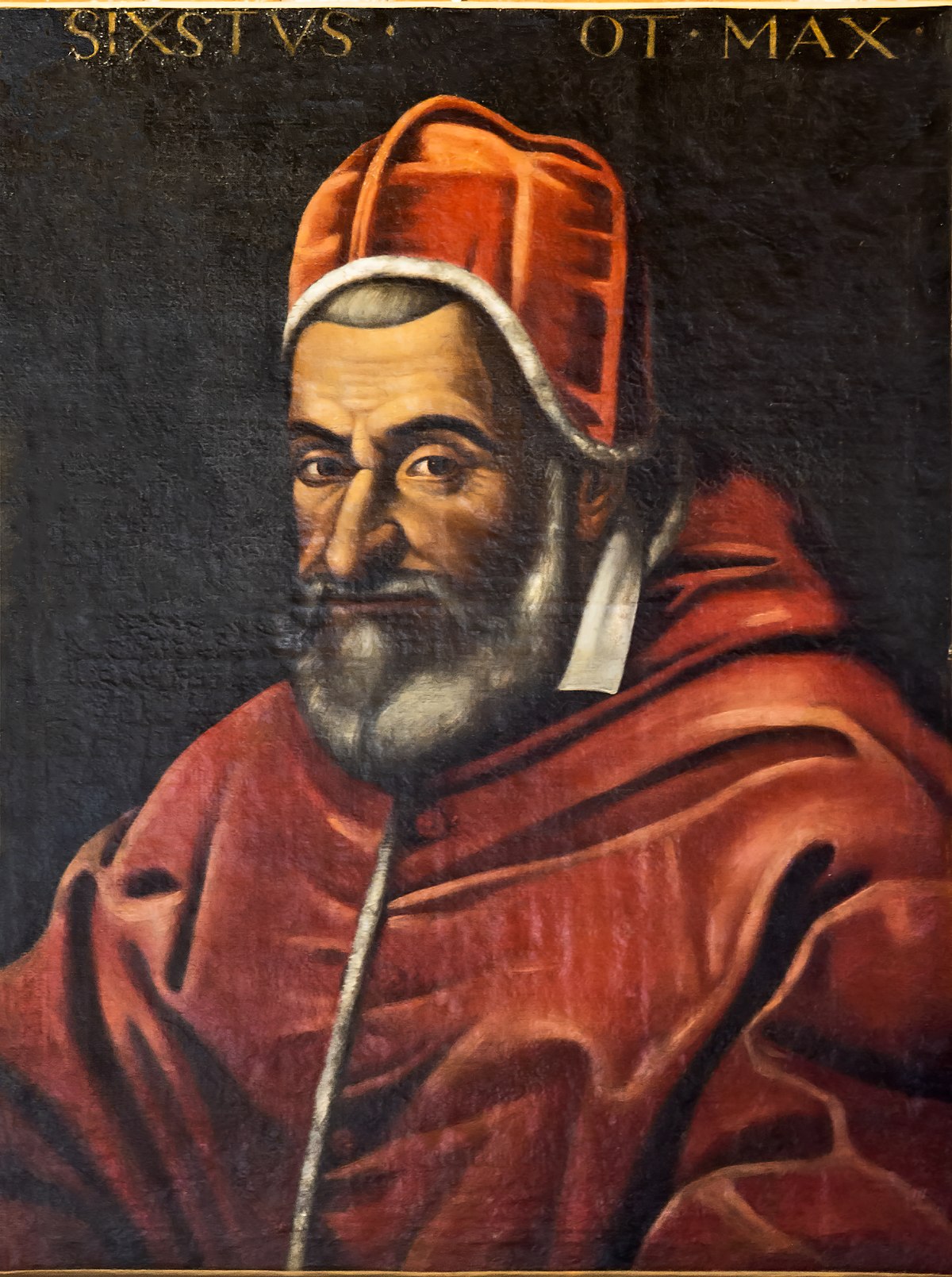
Pope Sixtus V's Rebuilding of the Lateran Palace
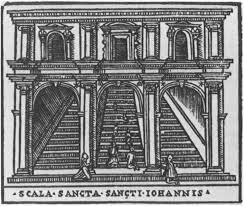
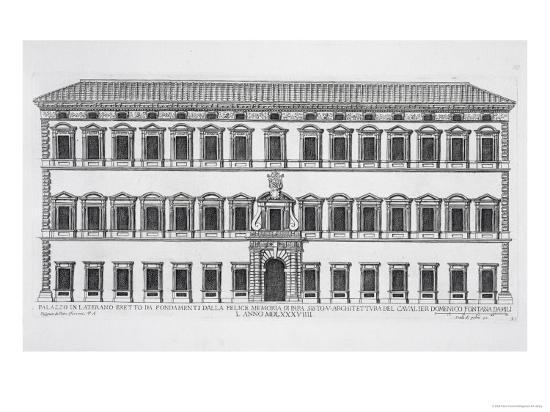
When Pope Sixtus V was elected to the papacy in 1585, he immediately set out to rebuild the Lateran Palace [1]. Pope Sixtus V consulted with his personal architect, Domenico Fontana, who deemed the Patriarchium Lateranense to be "old buildings” with little worth or use. This was primarily due to earthquakes, fires, and inadequate restorations. The rebuilding of the Patriarchium Lateranense began on June 8, 1585. Pope Sixtus V did not, however, see the need in demolishing and rebuilding the church of San Giovanni [2].
Pope Sixtus V's plans for the Lateran Palace were dynamic and changed multiple times throughout the rebuilding process. Sixtus V's original plan simply involved relocating the Holy Stairs and the two original lateral stairways from their old standing in the Patriarchium to the new location in front of the Sancta Sanctorum. This was expected to be completed by 1587. The actual transferring of the steps did not occur until 1588 [2].
The Palace's staircases were intricately decorated, presumably to showcase the papacy's wealth and resources. The Scala Santa had beautiful scaffolding, as shown in Pietro Martire Felini's woodcut. Sixtus added two staircases, which provided direct access to the small chapels at the top and increased the size and grandeur of the building [2].
The rebuilding of the Lateran Palace was lengthier than expected, and ultimately lasted for the entirety of Pope Sixtus V's reign (1585-1590).
Domenico Fontana asserts that this Lateran Palace restoration was the largest conducted in Rome, and the only one led by a single patron [3]. 16th century popes had moved to the Vatican due to the previously ruinous Lateran Palace. Instead of following this trend, Pope Sixtus V took the initiative to take on the temporal, monetary, and physical costs of rebuilding the structure. This item and process demonstrates Sixtus V's visionary character arguably more than any other.
References:
[1] Marder, Tod A. “Sixtus V and the Quirinal.” Journal of the Society of Architectural Historians 37, no. 4 (1978): 283–94. https://doi.org/10.2307/989245.
[2] Witcombe, Christopher L. “Sixtus V and the Scala Santa.” Journal of the Society of Architectural Historians 44, no. 4 (1985): 368–79. https://doi.org/10.2307/990114.
[3] Freiberg, Jack. “Review: Sixtus V and The Lateran Palace by Corinne Mandel.” Journal of the Society of Architectural Historians 56, no. 4 (1997): 508–9. https://doi.org/10.2307/991323.
[4] “Piazza Di San Giovanni in Laterano (St John the Lateran Square) -Basilica San Giovanni, Scala Sancta, Lateran Palace.” Rome - San Giovanni in Laterano, St John the Lateran Square, Scala Sancta (Holy Stairs), Sancta Sanctorum, Lateran Palace, basilica, Via Merluni, Via Manzone. Accessed October 14, 2021. https://www.worldtravelimages.net/Rome_Laterano.php.